Yes on A
Yes on A
Yes on A
Yes on A
Yes on A
Yes on A
Yes on A
Yes on A
Yes on A
Yes on A
Yes on A
Yes on A
Yes on A
Yes on A
Yes on A
Yes on A
Yes on A
Yes on A
Yes on A
Yes on A
Yes on A
Yes on A
Yes on A
Yes on A
Yes on A
MEASURE A: THE NON-PRIMARY HOMES TAX · VOTE YES ON OR BEFORE JUNE 2

investors HOARD homes.
san diego families pay the price.

Voting Yes on Measure A, the Non-Primary Homes Tax:

Puts empty homes back on the market. More supply means lower rents & purchase prices.
Collects revenue for essential city services, tracking & auditing every dollar.
Ensures 99% of San Diegans pay nothing. Only vacant investor-owned homes are taxed.
Empowers voters to end the tax any time.
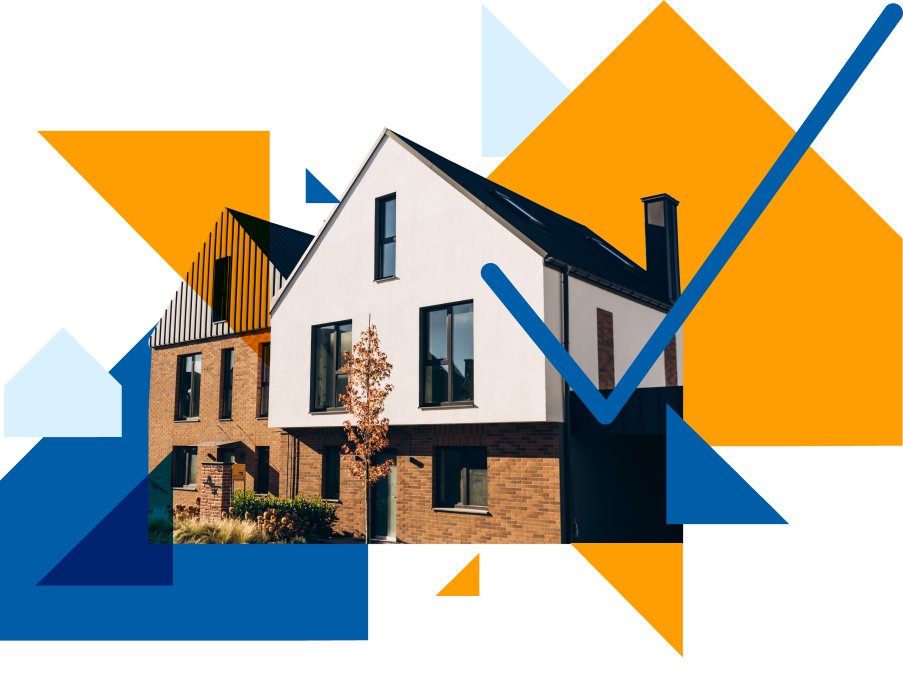
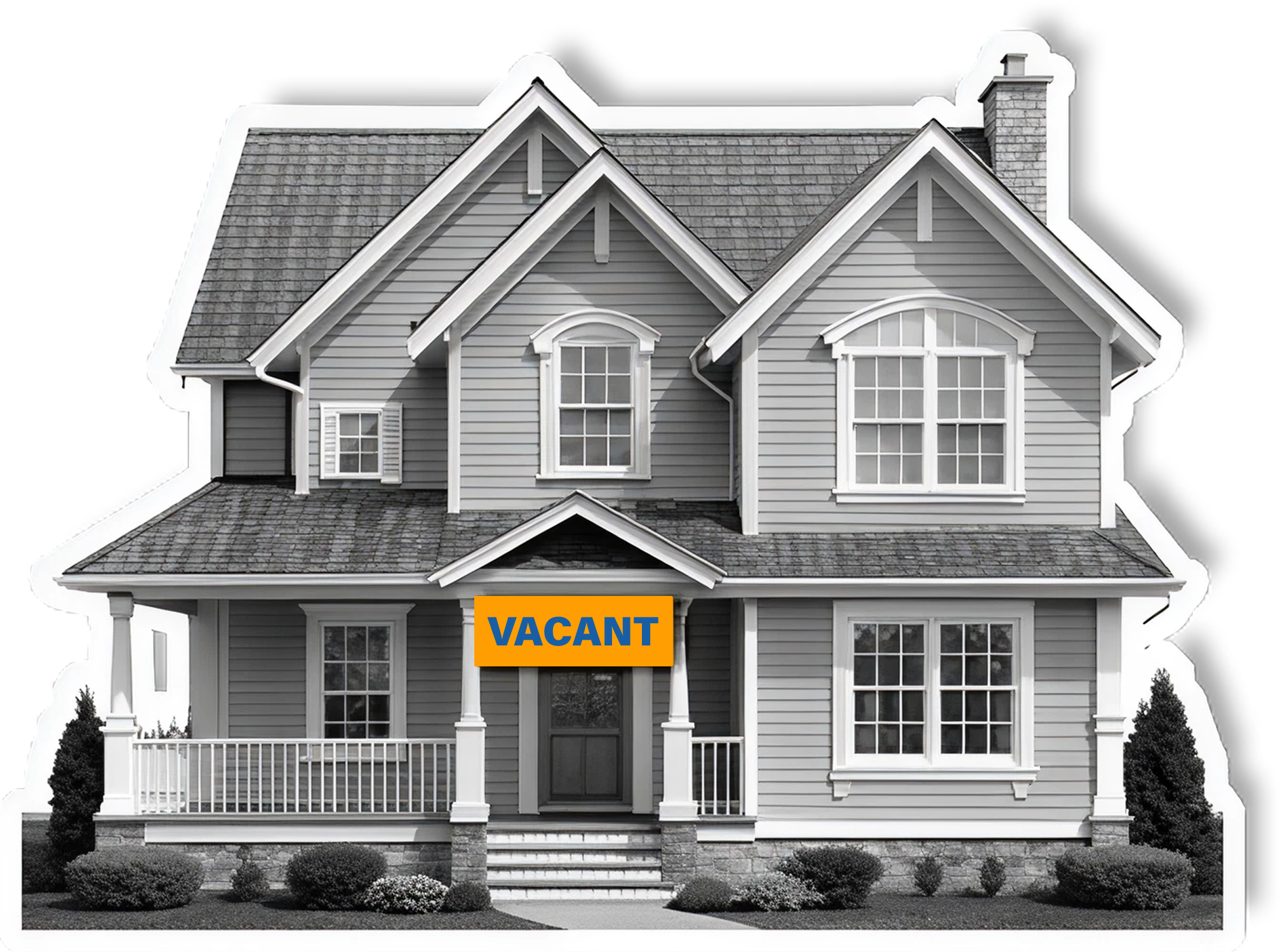
5,100+

Investor-owned houses sit empty while San Diegans struggle for a home of their own

9 out of 10

San Diegans say finding affordable
housing is a serious problem

$24M

Gained per year for essential city services,
affordable housing, and infrastructure

I support measure A

Join your neighbors in telling wealthy investors: homes are for families, not for hoarding.
We'll keep you in the loop before June 2.

Thank you! Your submission has been received!
Oops! Something went wrong while submitting the form.
the challenge

wealthy investors treat homes AS PROPERTY.
not PLACES TO LIVE.

Corporations, out-of-town investors, and wealthy individuals hoard houses; more than 5,100 across the City of San Diego sit vacant most of the year. San Diegans can't purchase them and we can't rent them.

Every empty, non-primary home taken off the market drives up rents and pushes out the hardworking families, firefighters, teachers, and small business owners who power our neighborhoods.

Voting Yes on Measure A changes that.

who's in

Our firefighters. our teachers. our neighbors.

The people who keep San Diego running — not the investors who leave it empty — are standing up for Measure A.

how measure a works

more homes, more services for san diegans

If investors keep homes empty to turn a profit, they pay a tax. If they rent, sell, or move someone in, they pay nothing. Either way, your neighborhood wins.

Your only home? Your rental? No worries.

Live in your home? Pay nothing. Rent it out? Pay nothing. Measure A focuses on investors and corporations who keep homes empty more than half of the year. 99% of San Diegans pay nothing.

Real Protections for Real Situations

Military deployment, medical emergencies, natural disasters — life happens. Hardship exemptions are built in so your neighbors never get caught up in a measure meant for wealthy investors.

You'll Know Where Every Dollar Goes

Independent audits. Public annual reports. Voters can end the tax anytime. Investors pay — and you see exactly where every dollar goes.

$24 Million Per Year for Our City

Emergency response. Affordable housing. Homelessness prevention. Street repair. Essential city services. The tax starts at $8,000 in the first year (rising to $10,000 after that) per vacant home, with higher rates for corporate-owned properties. Every dollar stays in San Diego.

SMS OPT-IN. stay updated.

Drop your number and we'll text you when it matters — events,
volunteer opportunities, and what you need to know before June 2.

By submitting your cell phone number you are agreeing to receive text messages from Homes For San Diego. You can expect to receive no more than 1 message per day. Message and data rates may apply. Text HELP for more information. Text STOP to opt-out of messages.

Thank you! Your submission has been received!
Oops! Something went wrong while submitting the form.
got questions?

here's what you need to know

Wait — does this affect MY home?

No, 99% of property owners pay nothing. If you live in your home or rent it out, this tax does NOT apply to you. This only applies to investors and corporations who leave non-primary homes (homes they do not live in as a primary residence) sitting empty most of the year.

Who has to pay?

Wealthy investors and corporations who leave homes empty more than half of the year. Owners identify these homes as “non-primary” residences to the county assessor. In year one, the tax is $8,000 ($10,000 in subsequent years), with higher rates for corporate-owned properties. Hardship exemptions protect your neighbors who have an empty extra home because of military deployment, medical emergencies, natural disasters, and more.

Will this put homes back on the market?

That's the whole point. Investors can avoid the tax by renting or selling. Either homes come back on the market — lowering rents and sale prices for your neighbors — or we collect the Non-Primary Homes Tax revenue that funds the essential city services, affordable housing, and infrastructure that San Diego needs. Win either way.

How much money are we talking about?

Up to $24 million a year. If investors bring homes back on the market, great — that's the goal. If they don't, we gain millions for essential city services, affordable housing, and infrastructure San Diego neighborhoods need.

How do empty homes harm communities?

Corporations and wealthy investors are increasingly hoarding houses and keeping them empty most of the year. Every empty house increases San Diego's shortage and reduces the number of homes available for hard-working families. Empty houses also mean fewer people to contribute to a thriving neighborhood, fewer children to keep schools full, and less spending on local businesses that support vibrant communities. In some cases, empty homes also contribute to blight and make communities feel less safe.

Where does the money actually go?

Into affordable housing, homelessness prevention, and city services — with independent audits and public annual reports. Voters can end the tax anytime. No blank checks.

Where are the empty homes?

Homes are sitting vacant all over the city (check out your zip code) with high concentrations downtown and in the coastal communities.

Who's behind this?

Your neighbors. Homes for San Diego is a coalition of nonprofit community, labor, and housing organizations — backed by firefighters, nurses, teachers, and housing advocates from across the city. Not investors. Not corporations. San Diegans.

san diego homes are for families.
not profits.

Vote YES on Measure A: The Non-Primary Homes Tax · Ballots arrive in May · Vote on or before June 2, 2026